Weaving the Fabric of Society
Historical Perspectives on Socialization, Enculturation, and Education


Summer 2025
Wednesday, 2-4 pm | FMI – A184
Lecturer: Dr. Deniz T. Kılınçoğlu
Course Description
How do we learn to think, feel, and act as a member of a community?
This graduate seminar delves into the historical and cultural practices that have shaped socialization and education across human societies. We will explore how children have been integrated into tribes, communities, and societies, examining the diverse cultural practices used throughout history to weave them into the social fabric. The course will trace the evolution of social education tools, especially in narrative forms—from myths and folklore to national historiography—and investigate how different social roles have been assigned and maintained through these processes. We will also explore the repercussions of challenging these norms, offering a comprehensive view of how education and socialization have continuously shaped societies as well as individuals.
Approach and Style
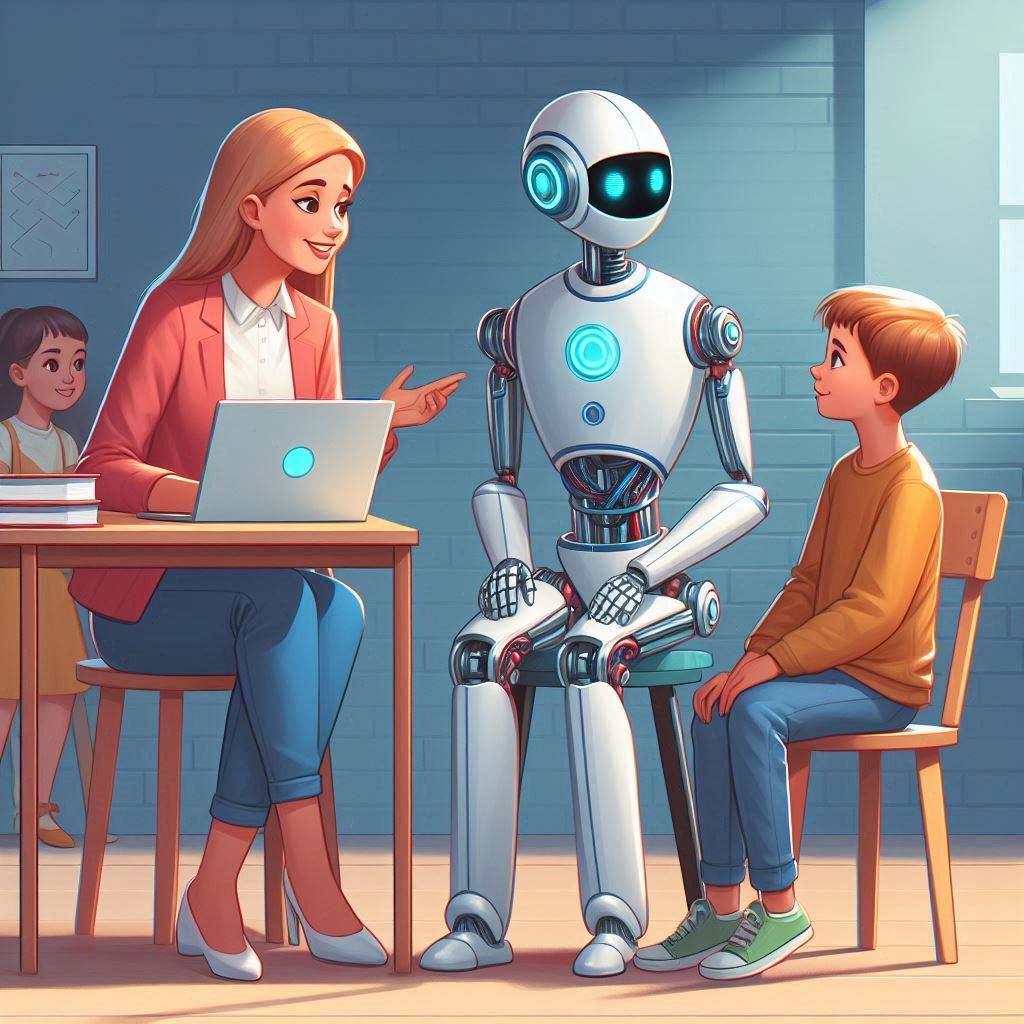
This course offers a dynamically organized, AI-assisted, and interactively designed learning experience. It fosters active engagement among students, the instructor, and generative AI—encouraging collaborative exploration of both course content and emerging technologies.
Beyond its core focus on the global history of education and socialization, the course provides a future-oriented environment where students are invited to critically experiment with AI tools as part of their learning process. Generative AI-based chatbots (such as Microsoft Copilot and ChatGPT) will serve as the primary tools for enhancing reading comprehension, brainstorming, and writing tasks. We will also discuss other relevant AI technologies and reflect on their broader implications for knowledge production, education, and society.
The aim is not only to engage deeply with historical and cultural content but also to cultivate AI literacy as a critical and creative academic skill.
Watch: Wharton School (U-Penn) Interactive Crash Course: Practical AI for Teachers and Students (Aug 4, 2023) by Ethan R. Mollick and Lilach Mollick. Available at https://www.youtube.com/playlist?list=PLwRdpYzPkkn302_rL5RrXvQE8j0jLP02j
AI Ethics and Usage Guidelines
The use of AI tools in this course is encouraged as a means of enhancing learning, critical thinking, and creativity. However, their use must be guided by intellectual integrity and academic responsibility. Students are expected to:
- Use AI tools (e.g., ChatGPT, Microsoft Copilot) as thinking partners, not answer generators.
- Disclose AI use in written assignments where relevant, especially if the tool helped shape structure, wording, or arguments.
- Avoid submitting AI-generated content without critical editing or personal contribution. Plagiarism policies apply to AI-generated work as they do to human sources.
- Engage in critical discussions on the limits, biases, and ethical dimensions of AI, especially in relation to education and knowledge production.
This course treats AI not as a shortcut, but as a topic of inquiry and a tool for reflective engagement.
Objectives and Outcomes
By the end of this course, students will:
- Analyze the historical and cultural practices that have shaped processes of education, socialization, and enculturation across diverse societies and time periods.
- Understand how children and young people have been integrated into different social structures—ranging from families and communities to nation-states—through both formal and informal means.
- Examine how social roles, hierarchies, and norms are assigned, reinforced, or contested through educational and socializing institutions.
- Develop a critical, historically grounded understanding of how society, culture, and identity are constructed—and how these processes affect individuals across lines of gender, class, race, and ethnicity.
- Reflect on their own educational experiences and assumptions in light of global, comparative, and decolonial perspectives.ension of society, culture, identity, and their individual implications.
Learning Method and Activities

This graduate seminar is built around active, student-centered engagement with the weekly readings and collective discussion.
Each week, one or two students will serve as discussion starters, offering a concise and critical introduction to the assigned materials. Their task is to highlight central arguments, raise key questions, and frame points for debate—setting the stage for a rich, inclusive conversation.
All students are expected to come prepared and actively contribute to the seminar dialogue. The course thrives on collective inquiry, and your perspectives, questions, and reflections are essential to the learning process.
Beyond in-class activities, students will complete occasional short written reflections and submit a final research paper on a topic of their choosing. The final paper will be developed in consultation with the instructor and should demonstrate both conceptual depth and historical insight.
Course Structure and Readings
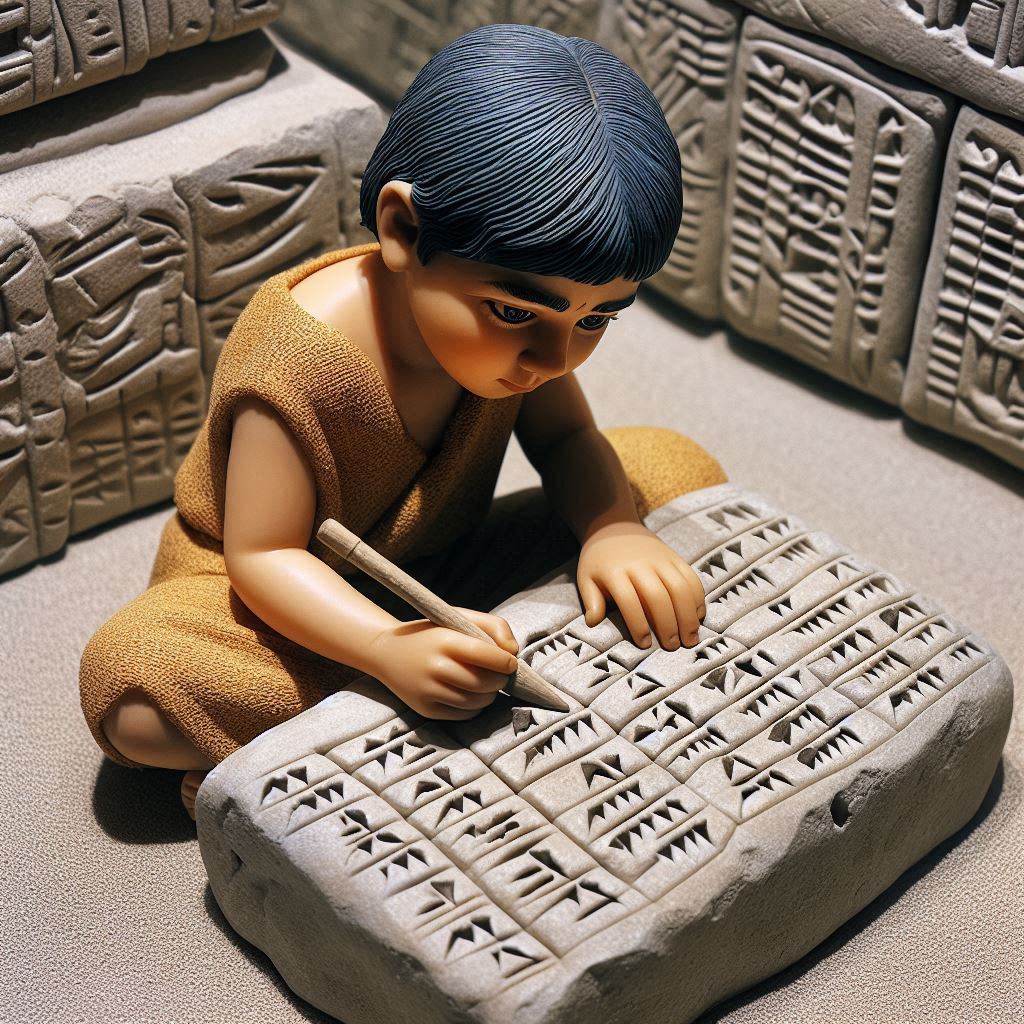
Week 1 | April 16, 2025 | Introduction
We begin by mapping the goals and structure of the course and introducing key concepts: education, socialization, enculturation, and transmission. This session will be interactive—after the course overview, students will be invited to critically reflect on the syllabus: What seems missing, biased, or worth rethinking? Your suggestions for alternative or complementary readings are welcome and will help shape our learning journey.
Reading:
- The syllabus (please read carefully before class)
Week 2 | April 23, 2025 | The Origins of Social Cognition and Learning
We explore the evolutionary roots of human social thinking. How did early humans develop the capacity to understand others’ emotions, intentions, and beliefs? What distinguishes human sociality from that of other species? We’ll discuss language, symbolic thought, and the emergence of shared intentionality, alongside the cultural implications of storytelling as a mode of early enculturation.
Readings:
- Tomasello, Michael. A Natural History of Human Thinking, pp. 80-123. Cambridge, MA: Harvard University Press, 2014.
- Le Guin, Ursula K. “It Was a Dark and Stormy Night; or Why Are We Huddling about the Campfire?” In Dancing at the Edge of the World: Thoughts on Words, Women, Places, 21–30. New York: Grove Press, 1989.
Key Questions:
- How might storytelling and language function as early tools of socialization?
- How does Le Guin’s literary-philosophical perspective complement or challenge evolutionary psychology?
Week 3 | April 30, 2025 | Learning Beyond the Human: Animal Cultures and Social Transmission
This week we broaden the lens to non-human animals. How do other species learn from one another, form social bonds, and transmit behaviors across generations? What can we learn about ourselves by studying chimpanzees, dolphins, or crows? We’ll examine the boundaries—and continuities—between human and animal cultures.
Readings:
- Andrews, Kristin. The Animal Mind: An Introduction to the Philosophy of Animal Cognition, pp. 200-229. Second. London: Routledge, 2020.
- Laland, Kevin N. Darwin’s Unfinished Symphony: How Culture Made the Human Mind, 31-49. Princeton: Princeton University Press, 2017.
Key Questions:
- Where do we draw the line between instinct, imitation, and learning?
- How does human education evolve from shared evolutionary roots?
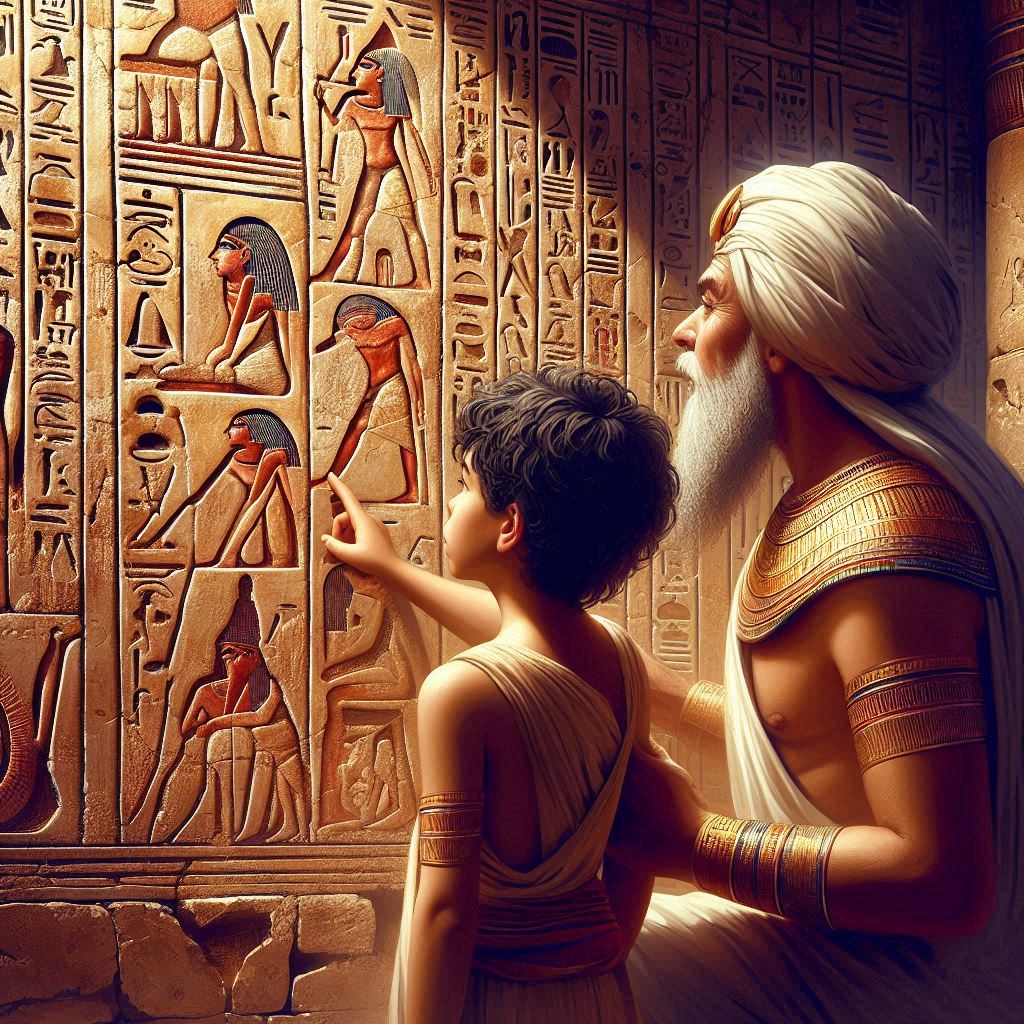
Week 4 | May 7, 2025 | Myths and Proto-Education: Storytelling and the Shaping of Culture
Before formal schooling, myths were key instruments of education and socialization. This week examines myths as vehicles for explaining the world, transmitting values, and shaping identity. We’ll consider the functions of myth across different societies and discuss how storytelling constructs gender roles, hierarchies, and worldviews. Le Guin’s insights from Week 2 will resonate here.
Readings:
- Maynes, Mary Jo, and Ann Waltner. The Family: A World History, pp. 14-29. Oxford: Oxford University Press, 2012.
- Armstrong, Karen. A Short History of Myth. Edinburgh: Canongate Books, pp. 1-62 (Chapters 1-3). 2005.
- Plato. The Republic. Edited by G. R. F. Ferrari. Translated by Tom Griffith. pp. 220-226. Cambridge: Cambridge University Press, 2000.
Key Questions:
- How do myths function as tools of cultural and moral instruction?
- What does Plato’s allegory tell us about ideological storytelling, education, and the role of public intelelctuals?
Week 5 | May 14, 2025 | No Class
Week 6 | May 21, 2025 | Premodern Education: Global Histories and Cultural Logics
This week offers a comparative look at premodern education systems across the globe. How did societies in Asia, the Americas, and Oceania educate their young? What counted as “knowledge” or “virtue,” and how were these transmitted? We explore formal and informal systems, emphasizing the social functions of education and its relationship to power, identity, and gender.
Readings:
- Lawrence, Adrea. “Precolonial Indigenous Education in the Western Hemisphere and Pacific.” In The Oxford Handbook of the History of Education, edited by John L. Rury and Eileen H. Tamura, pp. 132–46. Oxford University Press, 2019.
- Schirokauer, Conrad. “Education in Premodern China and Japan.” In The Oxford Handbook of the History of Education, edited by John L. Rury and Eileen H. Tamura, pp. 114–31. Oxford University Press, 2019.
- Hsiung, Ping-Chen. A Tender Voyage: Children and Childhood in Late Imperial China, pp. 103-127. Stanford: Stanford University Press, 2005.
Key Questions:
- How do education and enculturation differ across cultural contexts?
- What role do gender, family, and social status play in educational access?
- Can we compare oral traditions with written curricula on equal terms?
Week 7 | May 28, 2025 | Modern Histories of Socialization and Education I: Nation-Building and Identity Formation
In earlier weeks, we explored how education historically emerged from community-based practices and informal systems of cultural transmission. In contrast, modern education is largely shaped by centralized, state-organized systems—closely tied to the rise of the nation-state.
This week, we examine how education became a key instrument of nation-building in the modern era. We’ll begin with the ideological foundations of national education through the work of Fichte, whose writings laid intellectual groundwork for nationalist schooling. We then turn to historical case studies—from 19th-century Greece and Canada—to see how formal and informal educational practices were mobilized to forge collective identities, cultural myths, and notions of citizenship.
Readings:
- Fichte, Johann Gottlieb. “On the Nature of the New Education in General.” In Fichte: Addresses to the German Nation, edited by Gregory Moore, pp. 22–46. Cambridge: Cambridge University Press, 2009 [1806].
- Zervas, Theodore G. Formal and Informal Education during the Rise of Greek Nationalism: Learning to Be Greek. Basingstoke: Palgrave Macmillan, pp. 63-87, 111-135. 2016.
- Galway, Elizabeth. From Nursery Rhymes to Nationhood: Children’s Literature and the Construction of Canadian Identity, pp. 115-144. London: Routledge, 2008.
Key Questions:
- How did the modern concept of “national education” emerge, and what distinguishes it from earlier forms of socialization?
- What roles did textbooks, literature, and informal educational tools play in constructing national identity?
- How do these cases reflect broader global patterns—and what makes them distinct?
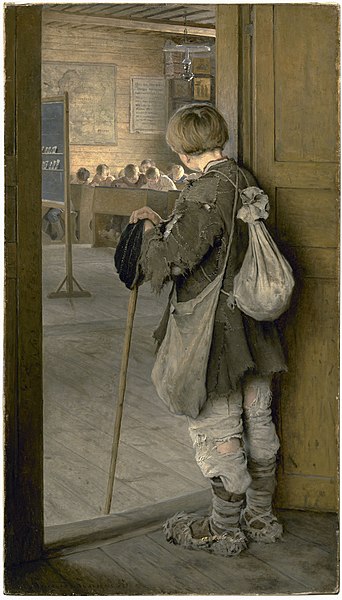
Week 8 | June 4, 2025 | No class
Week 9 | June 11, 2025 | No class – Mid Semester Reflection Paper
Due: June 11, 2025, by midnight
Length: Approx. 2 pages (600–800 words)
Write a short reflection on how the readings and discussions from the first half of the course have shaped your understanding of society and the individual. You may choose to focus on specific concepts, texts, or discussions that resonated with you—whether they challenged your assumptions, confirmed your prior knowledge, or opened up new perspectives.
This is not a summary or analytical essay. Instead, it’s a space to think critically and personally about your own learning journey so far. Consider both intellectual and emotional responses. How has this course shifted the way you think about socialization, education, culture, or identity—either historically or in your own life?
You may consider questions such as:
- What connections do you see between historical materials and contemporary issues?
- What ideas or texts have stayed with you the most—and why?
- Did anything surprise or unsettle you?
- How have your views on the relationship between individual and society evolved?
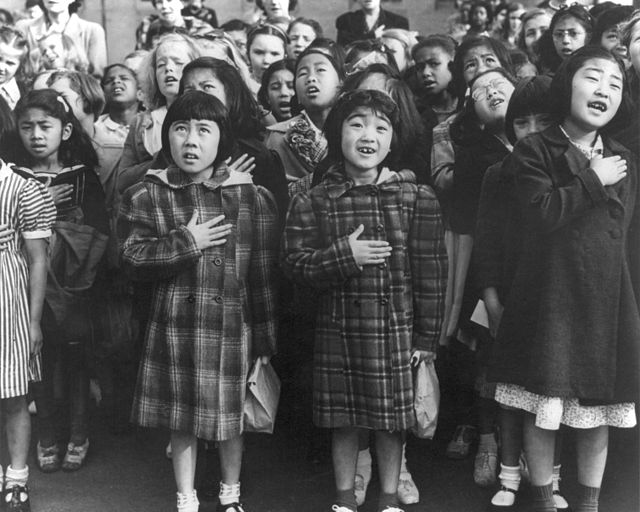
Week 10 | June 18, 2025 | Modern Histories of Socialization and Education – 2: Colonialism, Postcolonialism, and Nationalism
This week we turn to the global diffusion—and contestation—of modern education systems under colonial and postcolonial conditions. How were schools used to impose imperial control? How did colonized societies adapt, subvert, or reclaim educational spaces? We explore how education operated as a site of negotiation between religious and secular authorities, between imposed norms and local identities.
Our case studies—from West Africa to South Asia—show how education has served both as a tool of domination and a field of resistance. We will examine the interplay between missionary schooling, Islamic education, colonial policy, and emerging nationalist ideologies.
Readings:
- Brenner, Louis. “The Transformation of Muslim Schooling in Mali: The Madrasa as an Institution of Social and Religious Mediation.” In Schooling Islam: The Culture and Politics of Modern Muslim Education, edited by Robert W. Hefner and Muhammad Qasim Zaman, 199–223. Princeton: Princeton University Press, 2006.
- Gangopadhyay, Gargi. “‘Our Motherland’: Mapping an Identity in Bengali Children’s Literature.” In The Nation in Children’s Literature: Nations of Childhood, edited by Kit Kelen and Bjorn Sundmark, 139–57. New York: Routledge, 2012.
- Grindel, Susanne. “The End of Empire Colonial Heritage and the Politics of Memory in Britain.” Journal of Educational Media, Memory, and Society 5, no. 1 (2013): 33–49.
Key Questions:
- How do colonial and postcolonial dynamics continue to shape educational institutions and content?
- What role does religion play in negotiating national and cultural identities through education?
- How are ideas of childhood, loyalty, and nationhood constructed across different colonial contexts?
Week 11 | June 25, 2025 | Education and (National) Enculturation: Norms, Values, and Everyday Nationalism
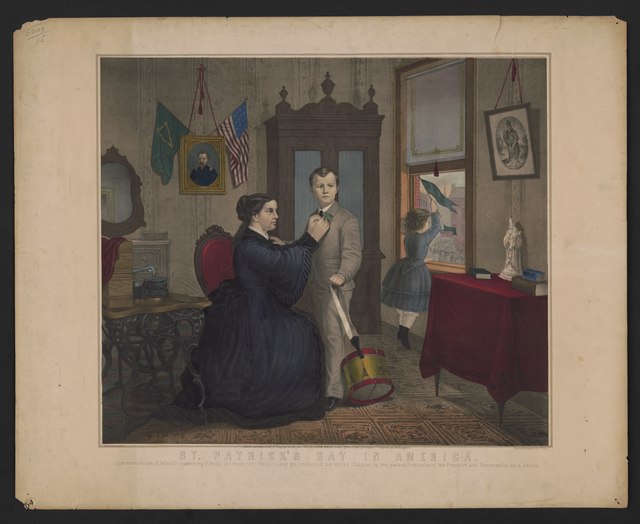
This week we zoom in on how educational institutions socialize individuals into national cultures—not only through curricula, but also through everyday affective practices, routines, and assumptions. We’ll explore how national values, civic behavior, and belonging are embedded in the daily life of schools and families, starting from early childhood.
This session highlights the “banal” but powerful forms of nationalism that operate through repetition, emotion, and embodiment. Gender, class, race, and ethnicity emerge as crucial mediators of how national identity is experienced and transmitted.
Readings:
- Delmotte, Florence, and Sophie Duchesne. “Banal Nationalism for Babies: The Early Transmission of National Habitus to Children in the Family.” In International Comparisons in Learning and Education: Eliasian Perspectives, edited by Norman Gabriel, 81–106. Cham: Springer International Publishing, 2024.
- Millei, Zsuzsa. “Affective Practices of Everyday Nationalism in an Australian Preschool.” Children’s Geographies 19, no. 5 (2021): 526–38.
- Mannitz, Sabine. “Regimes of Discipline and Civil Conduct in Berlin and Paris.” In Civil Enculturation: Nation-State, School and Ethnic Difference in The Netherlands, Britain, Germany, and France, edited by Werner Schiffauer, Gerd Baumann, Riva Kastoryano, and Steven Vertovec, 164–209. New York: Berghahn Books, 2006.
- Miedema, Esther. “‘Let’s Move, Let’s Not Remain Stagnant’: Nationalism, Masculinism, and School-Based Education in Mozambique.” In Childhood and Nation: Interdisciplinary Engagements, edited by Zsuzsanna Millei and Robert Imre, 183–206. New York: Palgrave Macmillan, 2015.
Key Questions:
- How do schools produce national identity not only through content, but through emotion, repetition, and discipline?
- What kinds of gendered and racialized norms are embedded in these processes?
- How do children internalize or resist the nation’s emotional and behavioral expectations?
Week 12 | July 2, 2025 | Education as a Problem
Education is often idealized as a solution—but this week, we interrogate its darker sides. How do schools reproduce structural inequalities, militarized values, or national myths that silence trauma and dissent? How do emotional regimes in schooling create zones of exclusion, shame, or wilful ignorance?
Drawing on cases from Turkey, Rwanda, and beyond, we’ll examine how education can normalize violence, suppress historical memory, and harden divisions. We’ll also reflect on the ethical challenges educators face in systems designed to discipline rather than emancipate.
Readings:
- Kancı, Tuba, and Ayşe Gül Altınay. “Educating Little Soldiers and Little Ayşes: Militarised and Gendered Citizenship in Turkish Textbooks.” Edited by Marie Carlson, Annika Rabo, and Fatma Gök. Swedish Research Institute – Transactions 18 (2007): 51–70.
- Zembylas, Michalinos. “Wilful Ignorance and the Emotional Regime of Schools.” British Journal of Educational Studies 65, no. 4 (2017): 499–515.
- King, Elisabeth. From Classrooms to Conflict in Rwanda, pp. 1 -10. Cambridge: Cambridge University Press. 2013.
Key Questions:
- How can education reinforce nationalist violence, gender hierarchies, or collective forgetting?
- What emotional norms dominate schools—and who is excluded or silenced by them?
- How can we identify and challenge these dynamics in both research and practice?

Week 13 | July 9, 2025 | Education and Socialization in the Age of AI
This week, we turn our gaze toward the future—but with a critical historical lens. How will education and socialization be transformed by artificial intelligence, algorithmic governance, and emerging technologies? What does it mean to learn, teach, or become socialized when machines are co-creators of knowledge, norms, and even values?
Drawing on what we’ve learned throughout the course—from myths and nation-building to gendered enculturation—we will explore how long-term historical patterns can help us think more clearly and critically about what’s coming. Key themes include automation and creativity, personalization and surveillance, equity and access, and the shifting role of teachers, peers, and institutions in an AI-mediated world.
Assignment (Due: Sunday night before class):
Write a creative and historically informed blog post that envisions possible futures for education and socialization in the age of AI. Use at least one theme or insight from the course—e.g., collective identity, myth, authority, storytelling, nationalism, childhood, or informal learning—to anchor your reflection. You are encouraged to blend narrative and analysis. Will AI deepen inequalities or democratize learning? Will it reshape cultural transmission—or accelerate its fragmentation?
In-Class Activity:
Read your classmates’ blog posts in advance and come prepared for a student-led discussion and speculative workshop. Together, we’ll explore divergent futures, reflect on hopes and concerns, and imagine new ethical and pedagogical horizons.
Key Questions:
- What remains constant in education, even as technology evolves?
- How might AI reshape who teaches, what is taught, and how learning happens?
- What role should human educators and communities play in the age of intelligent machines?
Optional Readings for Inspiration:
- https://www.theguardian.com/technology/2025/mar/02/students-use-of-ai-spells-death-knell-for-critical-thinking
- A Response to the Previous Article (Letters): https://www.theguardian.com/technology/2025/mar/04/humanities-teaching-will-have-to-adapt-to-ai
- D. Graham Burnett, “Will the Humanities Survive Artificial Intelligence?” The New Yorker (April 26, 2025)
Week 14 | July 16, 2025 | Course Review and Final Reflections
In our final session, we will revisit the major themes of the course—from myths and oral traditions to nation-building, childhood, and the future of AI-mediated learning. Together, we’ll reflect on how education, socialization, and enculturation have shaped human history—and continue to shape our lives.
This is a space for synthesis, critical reflection, and open dialogue. What have we learned about the relationship between the individual and society? How has your understanding of “education” changed across time, cultures, and systems? What moments, texts, or conversations stayed with you—and why?
We will also take time to share personal takeaways and discuss how your insights from the course might inform your future research, teaching, or public engagement.
Preparation (No reading, but bring notes):
- Be ready to share one idea, reading, or concept that shifted how you think about education or society
- Revisit the syllabus and your mid-semester reflection
- Jot down 2–3 personal highlights or lingering questions from the course

 The National Mind